

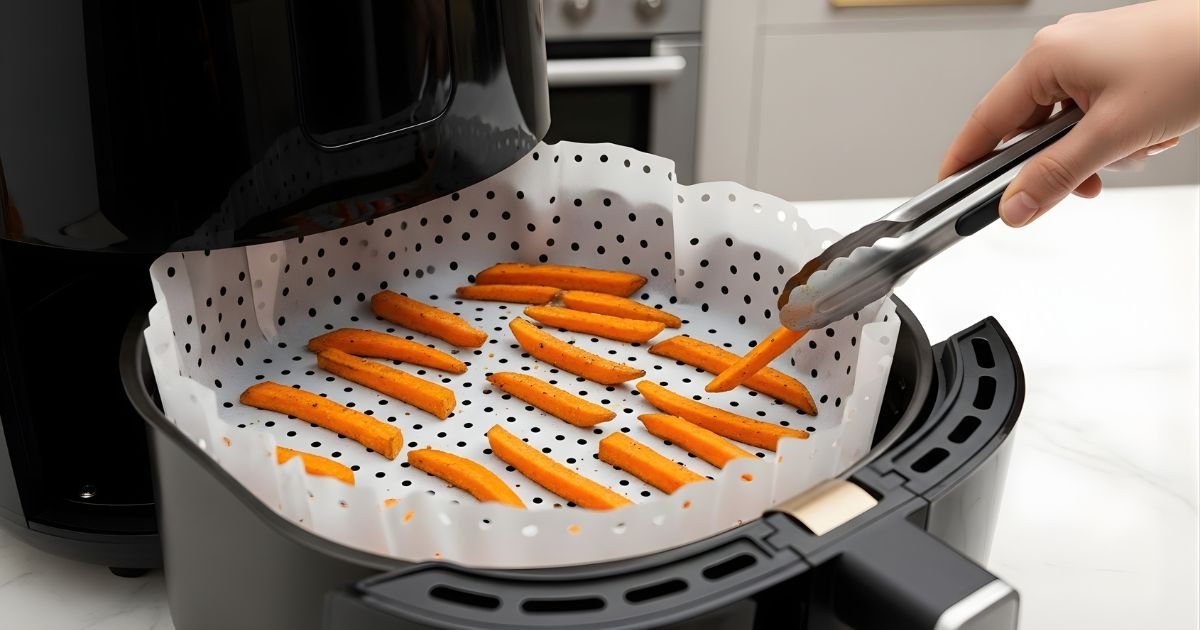
Are you using an air fryer liner but unsure if you’re doing it right? Getting the hang of the correct way to use an air fryer liner can save you time, keep your fryer clean, and improve how your food cooks.
If you’ve ever struggled with food sticking, uneven cooking, or a messy cleanup, this guide is exactly what you need. Keep reading to discover simple tips that will make your air frying experience easier and more enjoyable from start to finish.
Choosing The Right Liner
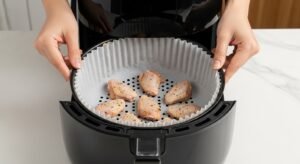
Choosing the right liner for your air fryer is important. It protects your air fryer and makes cleaning easier. The right liner also keeps your food safe and cooks evenly.
Not all liners work well with air fryers. Some can block air flow or melt from heat. Pick liners designed for air fryers to avoid problems.
Material Types For Air Fryer Liners
Look for liners made from silicone or parchment paper. Silicone liners are heat-resistant and reusable. Parchment paper liners are disposable and easy to use. Avoid plastic liners because they can melt.
Size And Shape
Choose liners that fit your air fryer basket perfectly. Too big or too small liners can block air flow. Measure your basket before buying liners.
Perforated Vs. Solid Liners
Perforated liners have small holes to let air pass. They help food cook evenly and stay crispy. Solid liners block air and may cause soggy food. Always pick perforated liners for best results.
Safety And Heat Resistance
Check the temperature limit of the liner before use. Some liners can handle high heat, others cannot. Use liners that resist at least 400°F (204°C). This ensures they do not burn or release harmful fumes.
Preparing The Air Fryer Basket
Preparing the air fryer basket is an important step before using an air fryer liner. It ensures the liner fits well and works correctly. This step also helps keep your air fryer clean and safe to use.
Taking time to prepare the basket can improve cooking results. It prevents food from sticking and helps air circulate properly. Proper preparation extends the life of your liner and the air fryer basket.
Clean The Air Fryer Basket
Start by cleaning the air fryer basket thoroughly. Use warm water and mild soap to remove any grease or food bits. Dry the basket completely before placing the liner inside.
Check The Basket Size
Measure the basket to find the right size liner. A liner that is too big or too small can block air flow. Choose a liner that fits snugly without folding or wrinkling.
Place The Liner Properly
Lay the liner flat inside the basket. Make sure it covers the bottom but does not go up the sides. Avoid covering the holes that allow hot air to circulate.
Test The Fit
Press the liner gently to ensure it stays in place. If it moves or folds, adjust it before cooking. A secure liner prevents food from sticking and helps even cooking.
Proper Placement Of The Liner
Proper placement of the air fryer liner is key to safe and effective cooking. The liner must fit well inside the basket to catch drips and crumbs. It also helps prevent food from sticking to the basket’s surface. Correct placement ensures even air flow around the food. This keeps your food crispy and cooked evenly.
Choosing The Right Size Liner
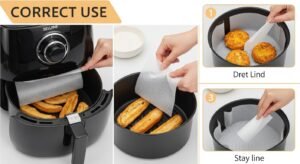
Select a liner that matches your air fryer basket size. Too big, and the liner may block air vents. Too small, and it won’t cover the basket properly. Measure the basket diameter before buying liners. Proper size allows hot air to circulate freely around food.
Placing The Liner Flat Inside The Basket
Lay the liner flat at the bottom of the basket. Avoid folding or crumpling it. Wrinkles can block air flow and cause uneven cooking. A smooth liner surface helps heat reach all food parts evenly. Make sure the liner does not overlap the basket edges.
Keeping Air Vents Clear
Do not cover the basket’s air vents with the liner. Blocked vents reduce hot air circulation. This leads to soggy or undercooked food. Check vents after placing the liner. Adjust it to keep vents open and free of any liner parts.
Securing The Liner For Different Foods
For heavier or wet foods, secure the liner with small holes. Poke holes to let air flow better and drain liquids. This prevents sogginess and helps food cook faster. Be careful not to tear the liner too much. Maintain enough surface area to catch drips.
Foods That Benefit From Liners
Using an air fryer liner can make cooking easier and cleaner. Some foods work better with liners than others. Liners help keep food from sticking and make cleanup faster. They also protect the air fryer basket from stains and crumbs.
Sticky Or Saucy Foods
Sticky foods like chicken wings with sauce benefit from liners. The liner stops the sauce from sticking to the basket. It also prevents burning and makes cleaning simple. Saucy foods like BBQ ribs or glazed veggies stay moist and tasty.
Delicate Or Small Items
Small foods like chopped vegetables or nuts can fall through the basket. A liner catches them so nothing is lost. Delicate items like fish fillets stay whole and cook evenly on a liner. It keeps the basket clean and safe for gentle foods.
Greasy Or Oily Foods
Greasy foods like bacon or sausages release a lot of fat. Liners help contain the grease for easy disposal. They prevent oil from spreading and making a mess. Using a liner keeps the air fryer cleaner and safer to use.
Cleaning And Maintenance Tips
Cleaning and maintaining your air fryer liner keeps it working well and lasting longer. Proper care stops food build-up and bad smells. It also helps keep your air fryer safe and efficient. Follow these simple tips to keep your liner clean and in good shape.
How To Clean Air Fryer Liners
Remove the liner carefully after cooking. Let it cool down before washing. Use warm, soapy water to clean the liner. Avoid harsh scrubbing to prevent damage. Rinse the liner well to remove soap. Dry the liner completely before reuse.
When To Replace an air fryer Liner
Check your liner for tears or burns. Replace it if you see damage. Old liners can affect cooking and safety. Regularly inspect the liner to avoid problems. Using a new liner keeps food safe and tasty.
Tips For Maintaining Your Air Fryer Liner
Always use liners made for an air fryer. Avoid overcrowding the basket with food. Clean the liner after each use. Store the liner in a dry place. Following these steps keeps your liner fresh and effective.
Common Mistakes To Avoid
Using an air fryer liner can make cooking easier and clean-up faster. Many people make simple mistakes that reduce the liner’s effectiveness. Avoiding these errors helps keep your air fryer safe and working well.
Not Cutting The Liner To Fit
An air fryer baskets come in different sizes. Using a liner that is too big or too small can block air flow. Cut the liner to fit your basket perfectly. This keeps hot air moving and cooks food evenly.
Placing The Liner Without Holes
Air fryer liners must have holes. Holes let hot air circulate around your food. Using liners without holes stops air flow. Food will cook poorly, and the air fryer may overheat.
Using Non-heat-resistant Liners
Some liners are not made for high heat. Using the wrong liner can cause melting or burning. Always choose liners labeled heat-resistant and safe for air frying.
Putting The Liner In Before Preheating
Preheating your air fryer without food or liner is best. Adding the liner before preheating can make it move or burn. Put the liner in right before cooking your food.
Overloading The Basket
Too much food on the liner blocks air flow. This causes uneven cooking and soggy results. Spread food in a single layer for the best crispiness.
Safety Precautions With Liners
Using an air fryer liners can make cleaning easier and protect your fryer. But safety must come first. Liners must fit well and suit your air fryer model. Incorrect use can cause damage or hazards. Follow these safety tips to use liners safely.
Choose The Right Liner Material
Pick liners made for an air fryer only. Use silicone or parchment paper liners. Avoid plastic or foil that may melt or catch fire. Check product labels to confirm safety for high heat.
Place Liners Correctly
Put the liner in the basket without covering air holes. Air flow keeps food crispy and prevents overheating. Do not let liners stick out or touch heating elements.
Do Not Reuse Single-use Liners
Single-use liners lose strength after one cooking cycle. Reusing can cause tearing or burning. Use fresh liners to avoid risks and keep your fryer clean.
Monitor Cooking Temperature
Keep temperature below the liner’s heat limit. Most liners work well up to 450°F (232°C). High heat can damage liners and start fires.
Avoid Overcrowding The Basket
Too much food blocks air flow and heats liners unevenly. Spread food evenly on the liner. This prevents burning and helps cook food better.
Frequently Asked Questions
What Is An Air Fryer Liner Used For?
An air fryer liner prevents food from sticking to the basket. It also simplifies cleaning by catching grease and crumbs. Liners help maintain the air fryer’s condition and improve cooking efficiency. They come in parchment or silicone materials suitable for high heat.
How Do You Place An Air Fryer Liner Correctly?
Place the liner flat at the bottom of the air fryer basket. Ensure holes align with the basket’s perforations for proper air circulation. Avoid covering the entire basket to prevent blocking hot air flow. This placement helps food cook evenly and prevents burning.
Can I Reuse An Air Fryer Liner?
Most parchment liners are single-use due to heat and grease exposure. Silicone liners can be washed and reused multiple times. Always check the manufacturer’s instructions for reuse guidelines. Proper cleaning extends liner life and ensures safe cooking.
Are Air Fryer Liners Safe To Use?
Yes, an air fryer liners made from food-safe parchment or silicone are safe. Avoid plastic or non-heat resistant materials to prevent melting or toxic fumes. Using the correct liner ensures safe cooking and maintains food quality.
Conclusion
Using an air fryer liner helps keep your appliance clean. Place the liner correctly to allow air flow. Avoid covering the entire basket bottom to prevent smoke. Choose liners made for an air fryer to ensure safety. Clean the liner after each use for best results.
Small steps like these improve your cooking experience. Enjoy easy cleanup and tasty meals every time.
