

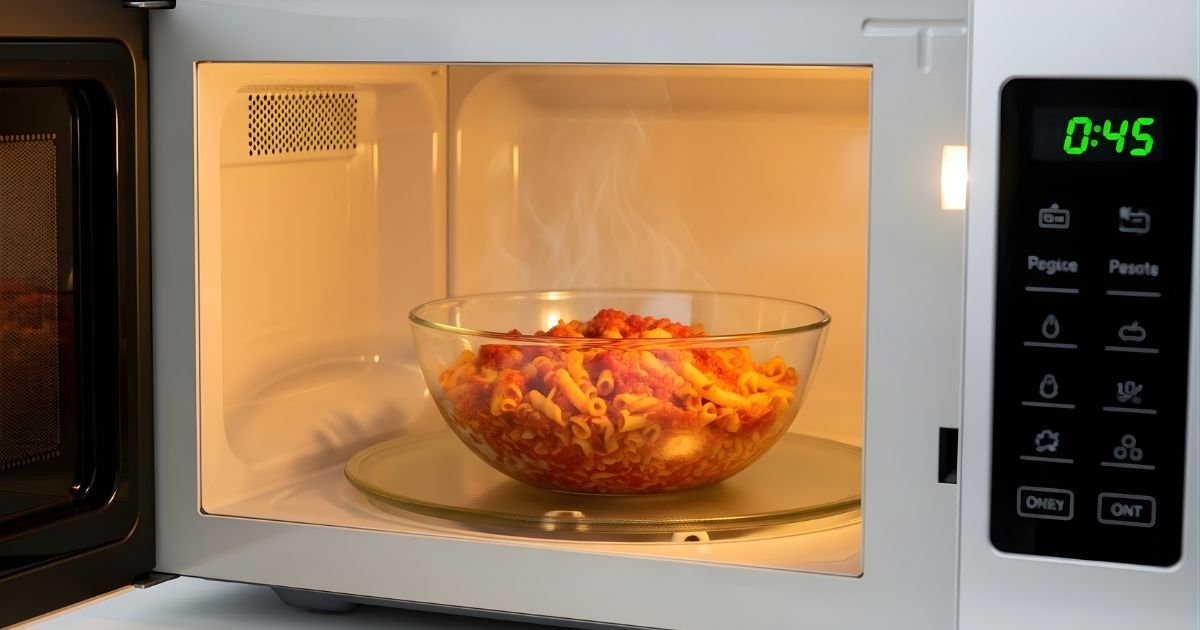
You can microwave a glass bowl if it is labeled microwave-safe and has no cracks, metallic trim, or vintage/leaded glass. Use microwave-safe, tempered, or borosilicate glass and avoid sudden temperature changes to prevent cracking or shattering.
Check the bowl before you heat food: look for a microwave-safe mark, feel for chips, and avoid any metal decoration. Cover food loosely to let steam escape and don’t overfill the bowl to reduce spills and uneven heating.
Key Takeaways
- Only use glass marked microwave-safe and free of damage.
- Avoid bowls with metal trim, vintage glass, or sudden temperature changes.
- Cover loosely, leave space for steam, and don’t overfill.
Understanding Microwave-Safe Glass
You need to know which glassware can handle heat and which can’t. Focus on labels, material type, and how the glass reacts to sudden temperature changes.
What Makes Glass Microwave-Safe
Microwave-safe glass resists thermal stress and won’t crack when heated. Look for a clear “microwave-safe” mark or a manufacturer note. That label means the glass was tested for heating foods without breaking or releasing harmful substances.
Avoid glass with metallic paint, trims, or gold/silver rings. Metal parts cause sparks and can damage both the bowl and the microwave. Also avoid cracked, chipped, or very thin glass; flaws concentrate heat and raise the risk of shattering.
Temperature shock is the main danger. Going from fridge to microwave or removing a hot bowl to a cold surface can cause breakage. Let cold glass warm a bit on the counter before microwaving, and use oven mitts when handling heated glass. For testing unknown glass, heat water in it for one minute; if the glass stays cool while the water is hot, it’s likely microwave-safe.
Types of Glass Bowls Typically Used
Borosilicate glass resists thermal shock and works well in the microwave and oven. Brands often label it as heatproof or laboratory-grade glass. It handles rapid temperature changes better than regular soda-lime glass and is common for measuring cups and bakeware.
Soda-lime glass is the most common kitchen glass. Many bowls made from soda-lime are microwave-safe, but they tolerate less thermal stress than borosilicate. Check the label and avoid sudden temperature shifts.
Avoid vintage glass and crystal, which can contain metal oxides that create hotspots or react in microwaves. For safety and guidance on specific types, refer to manufacturer pages like the U.S. Consumer Product Safety Commission or reputable cookware makers for testing and labeling practices.
Assessing If a Glass Bowl Is Safe for Microwaving
You need simple checks to decide if a glass bowl can go in the microwave: look for labels, run a quick heat test, and watch for physical or design clues that suggest risk.
Identifying Microwave-Safe Labels
Look for clear markings on the bottom or packaging that say “microwave safe” or show a microwave symbol. Manufacturers use these signs when the glass resists thermal shock and won’t contain metal.
Avoid bowls with any metallic trim, gold or silver paint, or decorative foil. Those will spark. Also avoid vintage glass and crystal unless the maker states microwave safety; older glass often lacks modern heat resistance.
If the label is missing, search the brand and model online. Product pages or manuals usually state microwave safety and maximum temperature. If you can’t confirm, treat the bowl as unsafe.
Testing a Glass Bowl Before Use
Do a simple test before regular use. Place the empty glass bowl and a cup of water in the microwave. Heat on high for 1 minute. After stopping, touch the bowl’s sides carefully.
If the bowl stays cool or only slightly warm while the water is hot, the bowl is likely microwave safe. If the bowl is hot, it’s absorbing microwaves and may crack under stress.
Use oven mitts when handling, and check for small cracks or chips after testing. Don’t test bowls that have metal, painted decorations, or unknown provenance.
Common Signs of Unsafe Glass
Look for visible damage: chips, hairline cracks, cloudiness, or pitting. These flaws concentrate heat and can cause sudden breakage during microwaving.
Thin, delicate glass or those with textured or painted surfaces often heat unevenly. Avoid using these for reheating liquids or for long, high-power cycles.
Watch for strange sounds or small sparks when you first microwave a bowl. Stop immediately if you hear or see these. Also avoid glass that changes shape, softens, or smells odd after brief heating. Those are signs the material or coatings are not microwave suitable.
Risks of Microwaving Non-Microwave-Safe Glass
Using glass that isn’t labeled microwave-safe can cause breakage, sudden temperature shocks, and possible contamination of your food. You need to watch for chips, uneven heating, and unknown glass types before microwaving.
Potential for Cracking or Shattering
When you microwave non-microwave-safe glass, the biggest physical risk is thermal stress. Glass heats unevenly: parts touching hot food warm faster than exposed rims. That uneven expansion can create cracks or make the bowl shatter suddenly.
Repeated use at high heat or rapid temperature changes — such as moving a hot bowl to a cold surface or rinsing with cold water — raises the chance of breakage. Small chips or hairline fractures weaken the glass and make failure more likely. Tempered and borosilicate glass resist this better, but ordinary glass or decorative glass often cannot handle the stress.
Use this quick checklist to reduce risk:
- Do not microwave glass with cracks or chips.
- Avoid rapid temperature changes after heating.
- Prefer bowls marked microwave-safe or made from borosilicate/tempered glass.
Chemical Leaching Concerns
Some glassware contains coatings, paints, or metal trims that can leach chemicals when heated. If your bowl has metallic paint, gold or silver trim, or a decorative glaze, the microwave can damage those finishes and transfer substances to your food.
Certain older or low-quality glass may also have unstable glazes that break down under heat. You should check labels or manufacturer info when possible. Clear, plain glass without coatings is least likely to leach anything.
Refer to this simple table to judge risk:
| Feature on bowl | Likely microwave risk | What you should do |
| Plain, uncoated glass | Low | OK if marked microwave-safe |
| Metallic trim or paint | High | Do not microwave |
| Decorative glaze of unknown origin | Moderate–High | Avoid or consult maker |
| Marked microwave-safe | Low | Safe when used per instructions |
If you suspect leaching, avoid using the glass for hot foods and contact the manufacturer for safety data.
Best Practices for Microwaving Glass Bowls
Use only microwave-safe, undamaged glass and avoid sudden temperature changes. Place the bowl centered on the turntable and cover food loosely to prevent splatters and uneven heating.
Preparation and Placement Tips
Check the bowl for a “microwave-safe” label or a symbol before use. Do not use glass with metallic trim or cracks; metal can spark and cracks can lead to shattering.
Avoid overfilling. Leave at least 1 inch (2.5 cm) of headspace for bubbling foods and stews. For liquids, use a larger bowl to reduce boil-over risk.
Cover food with a microwave-safe lid or paper towel to trap steam and promote even heating. Vent the cover slightly to let steam escape and prevent pressure buildup.
Place the bowl in the center of the microwave on the turntable. If your microwave lacks a turntable, rotate the bowl by hand every 30–60 seconds for more even heat.
Use oven mitts or a thick towel when removing the bowl. Even if the glass feels only warm, contents can be much hotter and can splash.
Recommended Temperature Ranges
Avoid extreme temperature shifts. Do not move a bowl straight from the freezer to the microwave. Let frozen glass sit at room temperature for 10–15 minutes or defrost partly before heating.
Heat in short intervals. Use 30–60 second bursts at medium power (50–70%) for most foods. Stir or rotate between intervals to reduce hot spots and gauge temperature.
For boiling or simmering liquids, aim for gentle simmering rather than a rolling boil. Superheating can occur in smooth glass; allow liquids to stand 20–30 seconds before removing to let bubbles form safely.
If the glass becomes very hot to the touch, stop microwaving and let it cool slightly. Rapid cooling, such as placing hot glass on a cold surface, may cause breakage.
Alternatives to Glass Bowls for Microwaving
You can use other safe materials that heat food well and resist cracking. Pick options labeled microwave-safe and avoid anything with metal trim or damage.
Microwave-Safe Plastics
Choose plastics marked “microwave-safe” on the bottom. These plastics are tested to withstand microwave heat without melting or leaching harmful chemicals. Common safe types include polypropylene (often marked PP) and some high-density polyethylene containers.
Avoid single-use plastic tubs, takeout containers, or anything warped, scratched, or stained. Those can release chemicals when heated. Use a microwave-safe lid or vented cover to reduce splatter and keep steam pressure low.
Do not microwave containers with metallic paint, foil, or metal handles. If you’re unsure, run a short 20-second test with the empty container and a cup of water; if the container gets hot, it’s not safe.
Ceramic Options
Glazed ceramics like porcelain, stoneware, and non-decorative earthenware often work well in microwaves. Check for a manufacturer’s microwave-safe stamp or test as you would with plastics. Avoid handmade pottery with unknown glazes, which can contain metal or lead.
Ceramics can hold heat longer than plastics, so use oven mitts and let food stand a minute before handling. Do not use ceramics with metallic trim or painted designs. If a ceramic bowl cracks or chips, stop using it in the microwave to prevent breakage and uneven heating.
Cleaning and Caring for Microwave-Safe Glass Bowls
Keep food residue from hardening, avoid sudden temperature changes, and check for chips or cracks before reuse.
Post-Microwaving Cleaning Tips
Let the bowl cool for a few minutes before handling to avoid burns. Use warm water and dish soap to remove oils and stuck-on food; a soft sponge or nylon scrubber prevents scratches.
For stubborn stains or odors, soak the bowl in a mix of one part white vinegar to three parts warm water for 15–30 minutes. Baking soda paste (baking soda + little water) also removes stains—apply, wait 10 minutes, then scrub gently.
Avoid abrasive cleaners and steel wool. If the bowl has food trapped under a rim or lip, use a soft-bristled brush or a cotton swab to reach tight spots. Dry with a clean towel or air-dry upside down to prevent water marks.
Preventing Thermal Stress
Never move a hot glass bowl directly from the microwave to a cold surface or into cold water. Sudden temperature changes can cause tempered or non-tempered glass to crack or shatter.
When reheating frozen or very cold food, let the bowl sit at room temperature for a few minutes first. Use microwave-safe lids or a paper towel to reduce uneven heating and steam buildup, and don’t seal lids tightly.
Inspect bowls for chips, cracks, or crazing before microwaving. Replace any damaged glass; even small defects increase the risk of breakage when heated.
Environmental Impact of Choosing Glass for Microwaving
Choosing glass for microwaving can reduce single-use plastic waste in your kitchen. Glass is reusable and durable, so you wash and reuse it many times without the chemicals that some plastics can release when heated.
Glass is easier to recycle than mixed plastics in many areas. Recycling glass saves raw materials and energy compared with making new glass from scratch, though collection and transport still use resources.
Be aware that glass production and recycling both use energy. Making new glass requires high temperatures, which creates emissions. Still, when you factor in a long service life, glass often has a lower environmental cost per use than disposable plastic.
You also lower microplastic pollution by using glass instead of plastic. Microplastics enter water and soil when plastic breaks down. Glass Bowl does not fragment into persistent microplastics.
Practical choices you can make:
- Buy sturdy, microwave-safe glass labeled for heat use.
- Prefer borosilicate or tempered glass for longevity.
- Repair or donate intact glassware instead of discarding it.
- Recycle broken glass following local rules.
These steps help you cut waste and reduce toxic runoff while keeping microwave use safe and practical.
FAQs
Can any glass bowl go in the microwave?
No. Only glass labeled microwave–safe is reliable. Avoid vintage glass, crystal, or bowls with metallic trim because they can crack or spark.
How can you tell if a glass bowl is microwave-safe?
Look for a microwave-safe symbol or label on the bottom. If unsure, test by placing the empty bowl in the microwave next to a cup of water and heating for 1 minute; if the bowl stays cool and the water is hot, it’s likely safe.
Will tempered or borosilicate glass break in the microwave?
Tempered and borosilicate glass resist thermal shock better than ordinary glass. They still can break if exposed to sudden temperature changes, like moving from freezer to microwave without warming first.
Is it safe to microwave food in a glass bowl with a lid?
Yes, if the lid is microwave-safe and vented. Leave a small gap or use a vented cover to let steam escape and reduce pressure buildup.
How long can you microwave food in a glass bowl?
Follow the food’s recommended heating time. Don’t overheat or run the microwave empty. Check food temperature frequently to avoid boiling over or overheating.
What should you avoid when microwaving glass?
Avoid metal trims, sudden temperature shifts, and extreme heating on cracked or chipped glass. Discard any bowl with visible damage.
Conclusion
You can safely use many Glass Bowl in the microwave if they are labeled microwave-safe or made from heat-resistant glass like tempered or borosilicate. Check the bottom for a label or symbol before heating.
Avoid vintage glass, crystal, or items with metallic trim. These can crack, spark, or shatter when microwaved and may cause injury or damage.
Use simple tests and precautions: heat the Glass Bowl with a cup of water for one minute and feel for excessive heat, and always microwave on medium power for uneven foods. Stop and inspect for cracks or cloudiness before each use.
Quick safety checklist:
- Check for “microwave-safe” label.
- Skip metal or metallic trim.
- Avoid sudden temperature changes (no freezer-to-microwave).
- Replace any cracked or crazed glass.
When you follow these steps, you lower risk and make microwave heating reliable and fast. Trust labeled, high-quality glassware and handle hot Glass Bowl with oven mitts or a towel.
