

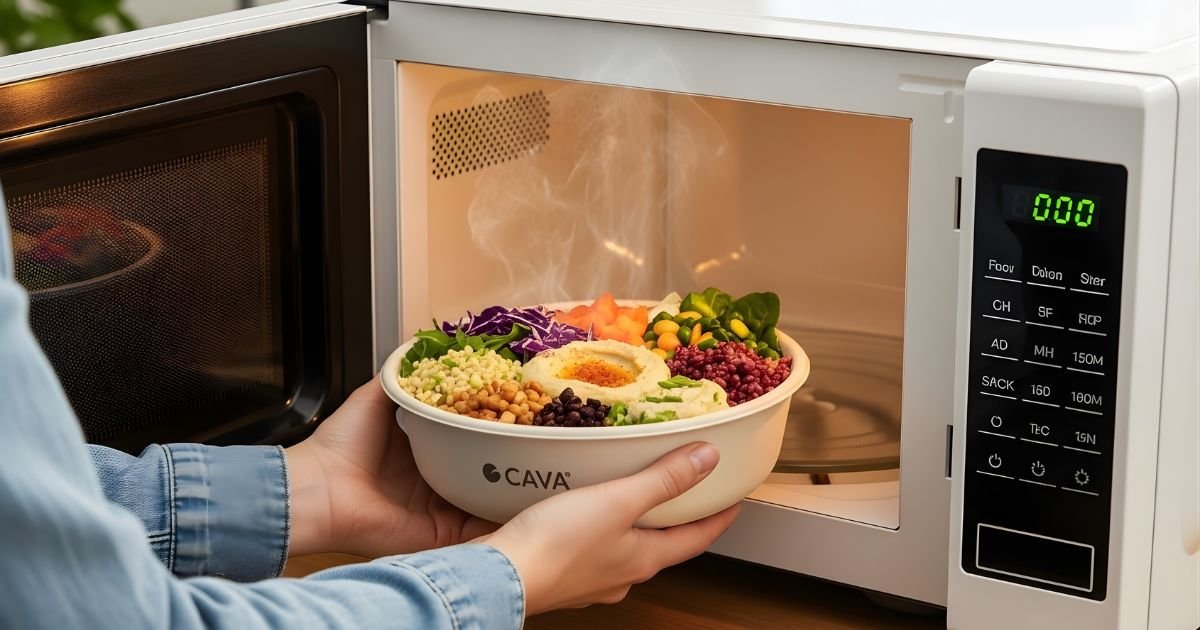
You can usually microwave a Cava bowl safely, but it depends on the material and any labels on the bowl. If the bowl is marked microwave-safe or made of glass, ceramic, or microwave-safe plastic, you can heat it; if it’s made from non-microwave plastic or has metallic trim, do not microwave it.
Check the bottom of the bowl for microwave-safe symbols and avoid sudden temperature changes that can crack ceramic or glass. Treat the bowl carefully after heating—contents and the container can get very hot.
Key Takeaways
- Verify the bowl’s material or microwave-safe label before heating.
- Avoid bowls with metal or unclear plastic types to prevent hazards.
- Let the bowl sit briefly after microwaving to reduce burn risk.
Understanding Cava Bowls Materials
Cava bowls usually come in ceramic, porcelain, or glass. Each material affects heat resistance, weight, and how the bowl behaves in a microwave.
Materials Used in Cava Bowls
Most Cava bowls are made from ceramic stoneware, sometimes glazed on the inside and outside. Stoneware uses fired clay that makes the bowl dense and less porous than earthenware. Glazes add color and a smooth finish but can contain metallic elements in some decorative finishes.
Some versions use porcelain, which fires at higher temperatures and becomes thinner and harder. A few Cava-style bowls use tempered glass, which heats evenly but shows thermal stress differently than ceramics. Handmade or painted bowls may have uneven glazes or metallic paints that can spark in a microwave.
Comparison to Common Dishware Materials
Ceramic stoneware vs. porcelain: stoneware is thicker and retains heat longer; porcelain is thinner and often lighter. Both are common for hot foods, but porcelain can be more prone to thermal shock if thin.
Glass is less likely to contain metals and usually safe if labeled microwave-safe. Plastic can warp or leach chemicals, so it’s not common for higher-end Cava bowls. Metal or metallic trims are the most problematic for microwaves because they can reflect microwaves and cause sparking.
Material Composition and Microwave Safety
The core safety question is whether the material and any surface finish contain metal or are porous. Dense, fully vitrified ceramics and porcelain without metallic glaze usually perform well in microwaves. Tempered glass that is labeled microwave-safe also works.
Check for labels like microwave-safe or manufacturer guidance. Avoid bowls with gold, silver, or other metallic trims, and be cautious with hand-painted glazes. If unsure, test by microwaving with a cup of water for 30 seconds; if the bowl becomes much hotter than the water, it may not be safe.
Microwave Safety of Cava Bowls
Cava bowls are made from different materials and may have labels or trims that affect microwave use. Users should check the bowl’s material, any manufacturer marks, and avoid bowls with metal or decorative paint.
Manufacturer Guidelines
Users should look for a microwave-safe symbol or wording on the bowl’s bottom or packaging. Many Cava bowls are ceramic, porcelain, or glass and often marked “microwave safe.” If the bowl came from a restaurant or reuse market, it may lack labels; in that case, consult the retailer or Cava customer support for the product code.
If the bowl is plastic, verify it is labeled BPA-free and microwave-safe. Avoid using any bowl that lacks a clear microwave-safe label. Follow care instructions for temperature limits and recommended reheating times to prevent warping or leaching.
Typical Signs of Microwave Safety
A quick checklist helps determine safety:
| Sign | Meaning |
| Microwave-safe symbol (wavy lines) | Designed for microwave use |
| No metallic trim or paint | Safe to heat; metal can spark |
| Even, uncracked glaze | Fewer chances of thermal shock |
| Manufacturer care label | Provides specific temperature limits |
If a bowl becomes very hot but the food is cool, that can mean the bowl absorbs microwave energy. That indicates it may not be ideal for reheating. A simple test: microwave the empty bowl with a cup of water for 1 minute; if the bowl gets hotter than the water, it likely is not microwave-safe.
Potential Hazards When Microwaving
Metallic details on bowls can spark and damage the microwave. Even small gold or silver trims cause arcing and should never go in the microwave. Cracked or crazed glazes can hold bacteria and may break from thermal stress.
Plastic bowls not rated for microwave use can melt or release chemicals into food when overheated. Overheating ceramic or glass can cause sudden cracking, especially when moving from freezer to microwave. Always use microwave-safe lids or covers to reduce splatter and heat food evenly.
How to Identify if Your Cava Bowl Is Microwave Safe
Check the bowl for manufacturer instructions, look for microwave-safe symbols, and try a simple home test if no labeling exists. These steps help decide if the bowl can be reheated safely without warping or releasing chemicals.
Reading Product Labels
They should first inspect the bottom of the Cava Bowls and any packaging for clear instructions. Look for phrases like “microwave safe,” “do not microwave,” or temperature limits such as “safe up to 120°C.” Manufacturer care labels often state whether the bowl is safe for reheating, washing, or oven use.
If the bowl came with a product tag or online listing, they should read that listing too. Retail descriptions often name the exact material (BPA-free plastic, ceramic, stoneware) and may note microwave suitability. When instructions conflict or are missing, avoid microwaving until another check confirms safety.
Recognizing Safety Symbols
They should look for common symbols stamped on the bowl’s base. A series of wavy horizontal lines means microwave-safe in many regions. A microwave icon with a cross through it or words like “not for microwave” mean do not use it in the microwave.
Other helpful symbols show oven, freezer, or dishwasher safety; these do not always mean microwave-safe. If a bowl has a metal rim or metallic paint, that is a clear sign to avoid microwaving. When in doubt, any metal components disqualify the bowl from microwave use.
Conducting Simple Home Tests
If labels and symbols are absent, they can run a quick heat test. Place the empty Cava bowl in the microwave next to a cup of water. Microwave on high for one minute. If the bowl becomes hot and the water stays cooler, the bowl is absorbing microwaves and is not safe.
They should also check for warping, melting, or strange odors after the test. Any of those signs mean do not use the bowl in the microwave. Keep tests brief and supervise; stop immediately if the bowl smokes, sparks, or changes shape.
Proper Usage of Cava Bowls in the Microwave
Use microwave-safe Cava Bowls, avoid extreme temperature changes, and stop heating if the bowl becomes damaged or very hot to the touch.
Best Practices for Heating Food
They should check the bowl’s label for a microwave-safe symbol or manufacturer instructions before use. If the bowl is plastic, confirm it is labeled BPA-free and microwave-safe; if ceramic or glass, look for cracks or metallic trim that could spark.
They should remove any lids not marked microwave-safe or use a vented cover to prevent steam buildup. They should avoid reheating oil-heavy or sugary foods in plastic, since those can overheat and warp the container.
They should place the Cava Bowls on a microwave-safe plate to catch spills and make handling safer. They should also use oven mitts or a towel when removing the bowl, as it can become hotter than the food.
Recommended Time and Temperature Settings
Microwaves vary, so they should start with short intervals—typically 30–60 seconds—then check and stir. For single servings of grains, proteins, or vegetables, 1–2 minutes on medium (50–70% power) often heats evenly without overheating the bowl.
For frozen items, they should use the defrost setting or 30% power and increase in 1-minute steps. Avoid running full power for long periods, which can heat the container as well as the food and risk damage.
They should always test the bowl’s temperature after heating. If the bowl is very hot while the food is cool, transfer the food to a different microwave-safe container next time.
Ensuring Even Heating
They should stir or rotate food halfway through heating to reduce cold spots and prevent overcooking one area. For layered Cava Bowls, removing dense toppings and heating them separately helps both the food and the bowl heat more evenly.
They should arrange food in a single layer or ring near the bowl’s edge when possible, rather than piling it in the center. Using a microwave-safe turntable or manually rotating the bowl every 30–60 seconds helps distribute energy.
They should check food temperature with a fork or thermometer, especially for proteins. If a bowl shows signs of warping, cracking, or discoloration after heating, they should stop using it in the microwave.
Risks of Microwaving Non-Safe Cava Bowls
Microwaving a cava bowl that is not rated for microwave use can cause health risks, damage to the bowl, and contamination of food. The next parts explain how each of these problems can happen and what to watch for.
Possible Health Effects
If a cava bowl contains lead-based glazes or unstable finishes, heating it can release those metals into food. Lead exposure can cause headaches, stomach pain, and long-term nervous system effects, especially in children and pregnant people.
Some ceramics use other toxic compounds in decorative paints. These may not be obvious from the outside. Repeated heating raises the chance that small amounts will leach into acidic foods like tomato sauce or citrus-based dishes.
Plastic parts or trims on some cava bowls can melt or break down when microwaved. That can release chemicals such as BPA or phthalates into the food. Always check manufacturer labels and avoid microwaving bowls without a clear “microwave-safe” mark.
Dish Integrity and Breakage
Non-microwave-safe ceramics can crack, craze, or shatter from rapid temperature changes. Microwave heating creates hot spots that expand unevenly in the clay. That stress can cause hairline cracks or sudden breakage when removed from the oven.
Metallic trims or gold leaf on decorative cava bowls can spark in the microwave. Those sparks can burn the glaze, leave scorch marks, or damage the microwave’s interior. Even if the bowl survives, its structural strength may be weakened by repeated microwave use.
Food Contamination Risks
Cracks and crazing trap food particles and bacteria that withstand normal washing. Heating a damaged bowl can force those residues deeper into the porous ceramic. That raises the chance of bacterial growth and off-flavors in future meals.
When glazes or plastics degrade, they can transfer unwanted tastes, odors, or chemical residues into food. Acidic or fatty foods pull more contaminants out of damaged surfaces. For safer use, avoid acidic reheating in any bowl without a verified microwave-safe label.
Caring for Your Cava Bowls to Maintain Microwave Safety
Handle bowls gently, clean them promptly after use, and store them to avoid chips and moisture. Regular checks for cracks, metal trim, and labels keep microwave use safe.
Cleaning Tips
They should rinse bowls soon after meals to remove acidic or oily residues that can stain or weaken glazes. Use warm water, a mild dish soap, and a soft sponge; avoid abrasive pads that can scratch ceramic or remove microwave-safe markings.
For stuck-on food, soak bowls in warm soapy water for 10–20 minutes before washing. If using a dishwasher, place bowls on the top rack and choose a gentle cycle; check the manufacturer’s label first.
Do not use metal scouring pads or bleach on decorative trim. If a bowl has gold, silver, or metallic paint, it must not go in the microwave or dishwasher.
Storage Recommendations
Stack bowls with soft liners between them to prevent chipping. Use felt or paper dividers, or store them side-by-side if space allows.
Store Cava Bowls in a dry cabinet away from direct heat or freezing temperatures. Prolonged exposure to moisture can weaken some glazes and promote hairline cracks.
Keep microwave-safe labels visible. If labels wear off, note the material (porcelain, stoneware, glass) and handle with extra caution when reheating.
Preventing Wear and Damage
Inspect Cava Bowls before each microwave use for hairline cracks, chips, or crazing in the glaze; discard or repurpose damaged bowls for non-food use. Cracks can trap bacteria and may cause uneven heating or breakage.
Avoid rapid temperature changes, such as moving a bowl from freezer to microwave. Let frozen dishes thaw slightly or heat in short increments to reduce thermal shock.
Do not use metal utensils on delicate glazes. When reheating, cover food with a microwave-safe lid or paper towel to reduce splatters and protect the bowl’s surface.
Alternatives to Microwaving Cava Bowls
This section explains safe options when a Cava bowl should not go in the microwave. It covers using clearly labeled microwave-safe containers and moving food to a different dish before heating.
Using Microwave-Safe Containers
They should use containers labeled “microwave-safe” made from glass, ceramic, or specific plastics (BPA-free). Look for manufacturer markings on the container bottom or packaging. Heat-resistant glass like borosilicate and oven-safe ceramics work well.
Use a microwave-safe lid or vented cover to keep moisture in and prevent splatters. Avoid metal, foil, or containers with metallic paint. If a plastic container warps, discard it; heat-damaged plastic can leach chemicals.
Place food in an even layer and stir halfway through heating to avoid cold spots. Use lower power settings for dense or layered foods and always test the container with a short run of heat (30–60 seconds) before full heating.
Transferring Food Before Heating
They should transfer food from the Cava bowl to another dish when unsure about the bowl’s material or condition. Use a clean glass or ceramic plate, bowl, or a microwave-safe plastic container.
Transfer items like rice, grains, or wet sauces into shallow containers to heat evenly. For foods with dressings or fresh toppings, remove them first and add after reheating to preserve texture and flavor.
Label reusable containers for microwave use to avoid future confusion. When reheating leftovers, cover and leave a small vent; then check temperature in several spots to ensure safe, even heating.
FAQs
Are all Cava bowls microwave safe?
Not all of them. Many Cava bowls are made from microwave-safe materials like ceramic, porcelain, or glass, but some use plastics that vary by batch. It is important for the user to check the bowl’s label or packaging before microwaving.
How can someone tell if a bowl is microwave safe?
Look for a microwave-safe symbol or explicit wording on the bottom or packaging. If no label exists, choose glass or known microwave-safe ceramics instead of unknown plastics.
Can heating a Cava bowl damage it or the food?
Yes. Sudden temperature changes can crack ceramic or glaze, and low-quality plastics can warp or leach chemicals when overheated. Reheating in short intervals and using a microwave-safe cover reduces risk.
Is it safe to microwave Cava bowls with metal trim or decorations?
No. Any metal detail can spark and damage the microwave. The user should remove or avoid Cava Bowls with metallic paint, rims, or stickers.
What if a bowl gets very hot after microwaving?
That can happen, especially with dense ceramics. Let the bowl sit for a minute, then use oven mitts or a towel to handle it. Transferring food to a plate can also reduce burn risk.
How should someone reheat Cava bowls to preserve food quality?
Use medium power, short bursts, and stir between intervals for even heating. A microwave-safe lid or vented cover helps trap steam and keeps food moist.
Conclusion
Cava bowls can be microwave safe, but it depends on the material and the label. Glass, ceramic, and labeled microwave-safe plastics are generally safe to use.
They should be checked for a microwave-safe symbol or manufacturer care instructions first. If the bowl has metallic paint, cracks, or warped plastic, it should not go in the microwave.
When reheating, they should be handled with care because surfaces can become very hot. Use a microwave-safe cover to reduce splatters and keep heating times short to avoid overheating.
If unsure, perform a quick test: place the empty bowl next to a cup of water and microwave for 30–60 seconds. If the bowl stays cool and the water heats, the bowl is likely safe; if the Cava Bowls gets hot, do not use it.
Simple rules protect both food and the Cava Bowls: follow labels, avoid damaged items, and monitor heating. That keeps meals safe and helps the bowls last longer.
