

Introduction to the Importance of Cleaning, Sanitizing, and Storing Kitchen Tools and Equipment
The kitchen is often referred to as the heart of the home, bustling with flavors and aromas that create unforgettable memories. However, behind every delicious meal lies a hidden responsibility: maintaining cleanliness in your kitchen tools and equipment. It’s not just about making food taste good; it’s also about ensuring safety for you and your loved ones.
Cleaning, sanitizing, and properly storing your culinary essentials may seem like a tedious chore, but it’s crucial for effective food preparation. Whether you’re an amateur cook or a seasoned chef, knowing How to Clean Sanitize and kitchen equipment cleaning procedures can elevate your cooking game while protecting against harmful bacteria and germs.
In this guide, we’ll explore practical steps to keep your kitchen items sparkling clean. You’ll learn the difference between cleaning and sanitizing kitchen equipment and sanitizing while discovering easy methods tailored for each tool in your arsenal. Let’s dive into a world where cleanliness meets culinary creativity!
Understanding the Difference Between Cleaning, Sanitizing, and Storing
Cleaning, sanitizing, and storing are three essential processes in maintaining proper sanitizing of kitchen gadget utensils tools and equipment. Each serves a distinct purpose.
Cleaning involves removing dirt, food residues, and grease from surfaces. It helps restore items to a hygienic state but doesn’t eliminate all germs. A good scrub with soap and water is often enough for most utensils.
Sanitizing takes the process further by killing harmful bacteria that cleaning alone may leave behind. This step is crucial for safety, especially when working with food-related items.
Storing refers to how you keep your cleaned and sanitized tools organized after use. Proper storage protects them from contamination or damage while ensuring easy access next time you cook.
Understanding these differences helps maintain not just cleanliness but also overall food safety in your safe storage of kitchen tools environment.
Step-by-Step Guide on How to Clean Sanitize and Store Kitchen Tools and Equipment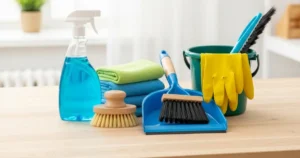
Start by gathering all the necessary supplies. You’ll need warm soapy water, a sponge or scrub brush, microfiber cloths, and any specialized cleaner for tough stains.
Next, prepare your How to Clean Sanitize and Store Kitchen Tools and Equipment?. Remove any food residue from surfaces. For items like knives or cutting boards, ensure they’re free of particles before diving into cleaning.
Use proper techniques tailored to each tool. For pots and pans with stuck-on grime, soak them first. Wooden utensils require gentle scrubbing to avoid damage while metal tools may benefit from a heavier-duty approach.
Once cleaned thoroughly, it’s time for rinsing. Make sure to wash away all soap residues under running water. Follow this with drying; use a clean towel or let them air dry completely before storage to prevent rust or mold growth on your beloved cookware.
Gathering Necessary Supplies
Before diving into the cleaning and sanitizing kitchen equipment process, gather your supplies. This step sets the stage for efficient work and ensures you have everything on hand.
Start with basic items like dish soap, warm water, and a sponge or scrub brush. These will tackle most of the grime that accumulates on tools and equipment.
Don’t forget about microfiber cloths! They are great for drying surfaces without leaving lint behind. A set of gloves can also protect your hands from harsh chemicals during deeper cleanings.
For sanitizing purposes, consider bleach or vinegar as effective options. If you’re leaning towards natural methods, essential oils might add an extra layer of cleanliness while offering pleasant aromas.
Lastly, having a dedicated bucket can help streamline the entire process. Keep all these supplies within arm’s reach to make cleaning smoother and more enjoyable.
Preparing the Tools and Equipment for Cleaning

Before diving into the cleaning process, take a moment to prepare your tools and equipment. This step is crucial for an efficient clean.
Start by clearing off any debris or leftover food particles. A quick wipe-down can make a significant difference in how easily you can scrub away grime later.
Next, disassemble any multi-part tools if applicable. Items like blenders or food processors often have components that require individual attention. Taking them apart helps ensure every nook and cranny gets properly cleaned.
Don’t forget to check for wear and tear on your kitchen equipment cleaning procedures. Any damaged items should be set aside for repair or replacement before they complicate your cleaning efforts.
Lastly, gather everything close at hand—this minimizes interruptions during the process and keeps your workspace organized, making it easier to focus on achieving that sparkling finish all proper sanitizing of kitchen utensils deserve.
Using Proper Techniques for Each Tool/Equipment
When it comes to cleaning kitchen tools and equipment, using the right technique is crucial for effectiveness. Each item has its quirks that require specific care.
For knives, a gentle hand wash with warm soapy water works best. Avoid soaking them, as this can damage the handle or blade. Rinse thoroughly and dry immediately to prevent rust.
Cutting boards need special attention too. Wooden boards should be wiped down with a damp cloth and sanitized occasionally with vinegar or lemon juice. Plastic boards are more forgiving; you can run them through the dishwasher for deep cleaning and sanitizing kitchen equipment.
Pots and pans vary significantly in material. Non-stick surfaces require soft sponges to avoid scratches while stainless steel pots benefit from baking soda paste for tough stains.
Spatulas and whisks often have crevices where food particles hide. A thorough scrub with a brush can help dislodge any stubborn remnants hidden within their design.
Rinsing and Drying Process
After scrubbing your kitchen tools and equipment, rinsing is crucial. Use warm running water to effectively wash away any residual soap or food particles. Ensure that no residue remains, as this can affect the taste of future meals.
Once rinsed, it’s time for drying. Choose a clean dish towel or allow items to air dry on a drying rack. Air drying is often more hygienic, especially for knives and cutting boards where moisture can harbor bacteria.
For utensils with crevices or intricate designs, pay extra attention while rinsing and drying to ensure every nook is clean and free from dampness. This prevents rust formation in metal tools and keeps wooden items from warping.
Ensuring thorough rinsing followed by effective drying not only maintains hygiene but also prolongs the life of your safe storage of kitchen tools gear.
How to Effectively Sanitize Kitchen Tools and Equipment
Sanitizing kitchen tools and equipment is essential for food safety cleaning and sanitation safety. It minimizes the risk of cross-contamination, ensuring that your cooking environment remains safe.
Different methods can be used for sanitization. Chemical solutions like bleach or commercial sanitizers can effectively eliminate germs. Always follow the manufacturer’s instructions to ensure proper dilution and contact time.
Alternatively, natural options are available too. A mixture of vinegar and water creates a simple yet effective sanitizer. This method appeals to those who prefer eco-friendly alternatives without harsh chemicals.
When choosing a sanitizing solution, consider the surfaces you’re treating. Some materials may react adversely to certain chemicals, so it’s crucial to read labels carefully before use.
Regularly check expiration dates on commercial products as their effectiveness diminishes over time. Freshly prepared solutions yield better results in combating bacteria and viruses lurking in your kitchen tools.
Understanding the Importance of Sanitizing in Food Safety
Sanitizing kitchen tools and equipment is critical for food safety cleaning and sanitation. It helps eliminate harmful bacteria that can lead to foodborne illnesses. When you prepare meals, the risk of cross-contamination is ever-present.
Think about what happens during meal prep. Raw meats, vegetables, and other ingredients come into contact with various surfaces. If not sanitized properly, bacteria from one item can transfer to another.
The impact of poor sanitization extends beyond just your health; it affects everyone who eats your food. A safe cooking environment fosters trust among family and friends.
Moreover, effective sanitizing practices protect against allergens too. These invisible threats require careful attention in any kitchen setting.
By prioritizing sanitization, you’re ensuring a healthier meal experience every time you cook or serve food. It’s an essential step that shouldn’t be overlooked in any culinary routine.
Different Methods for Sanitizing (Chemical vs. Natural)
Sanitizing kitchen tools and equipment can be accomplished through various methods, each with its own advantages.
Chemical sanitizers are widely used in commercial kitchens due to their effectiveness against harmful pathogens. Common options include chlorine bleach, quaternary ammonium compounds (quats), and hydrogen peroxide. These solutions tend to work quickly but require careful handling and proper dilution to avoid food contamination.
On the other hand, natural sanitizing methods appeal to those seeking eco-friendly alternatives. Vinegar is a popular choice; it has mild antibacterial properties that make it effective for light cleaning and sanitizing kitchen equipment tasks. A solution of water mixed with lemon juice also serves as a gentle sanitizer while leaving behind a fresh scent.
Choosing between chemical or natural sanitizers largely depends on your preferences and specific needs within your kitchen environment. Always ensure that any method you select aligns with safe food safety cleaning and sanitation practices.
Tips for Choosing the Right Sanitizing Solution
Choosing the right sanitizing solution can make a world of difference in maintaining kitchen hygiene.
Start by considering the type of surfaces you’ll be sanitizing. Some solutions work best on stainless steel, while others are ideal for plastic or wood.
Look for products that are EPA-approved, as these meet strict standards for effectiveness against harmful bacteria and viruses.
If you’re sensitive to chemicals, natural options like vinegar or hydrogen peroxide can also be effective. They’re safe and eco-friendly but may require longer contact times to ensure efficacy.
Always read labels carefully. Note any safety precautions and recommended usage instructions to avoid mishaps during your cleaning routine.
Lastly, consider convenience—whether you prefer ready-to-use sprays or concentrated formulas that need dilution will influence your choice too.
Proper Storage Techniques for Kitchen Tools and Equipment
Proper storage of kitchen tools and equipment is essential for maintaining their cleanliness and functionality. The right storage techniques not only keep your kitchen equipment cleaning procedures organized but also prolong the life of your utensils.
First, ensure that all cleaned and sanitized items are completely dry before storing them away. Moisture can lead to mold growth and unpleasant odors. For knives, using a magnetic strip or knife block keeps them secure while preventing damage to blades.
For other tools like spatulas, whisks, or measuring cups, consider drawer organizers or utensil holders to avoid clutter. This approach also makes it easier to find what you need quickly during meal prep.
If you have small appliances such as blenders or food processors, store them in dedicated locations where they won’t be knocked over easily. Keeping cords wrapped neatly will prevent tangling and potential accidents.
When it comes to pots and pans, stacking them properly with protective liners can help prevent scratches while maximizing space in cabinets. Always place the heaviest items on lower shelves for safety reasons.
Regularly assess your stored items for any signs of wear or contamination. Discard anything that looks damaged or dirty beyond saving; this habit ensures you always use safe tools when cooking.
By adopting these proper storage techniques, you’ll create an efficient workspace that’s ready whenever inspiration strikes in the kitchen!
