

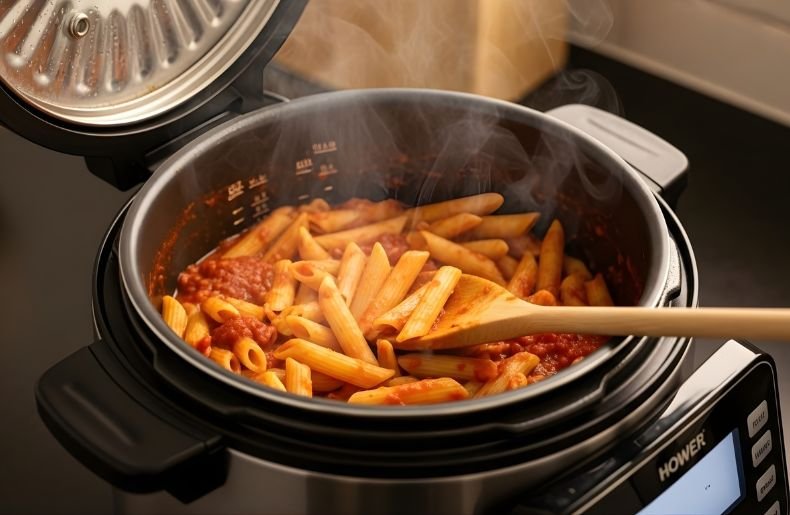
If you’ve ever wondered whether your multicooker can bust out of the bounds of rice and stews, wonder no more. Once you learn How To Cook Pasta In Multicooker, there’s a whole world of easy, one-pot cooking to be explored (more on that later) with perfect al dente noodles, no pot of boiling water, and a heavy pot to drain ever again.
Whether you’re a harried parent on dinner duty, an ambitious college student in small-kitchen mode, or just someone who’s into culinary efficiency, your multicooker can be the tool to make pasta night even easier.
What I love about this method is that it’s idiotproof: You don’t have to watch a pot, you can’t overcook the potatoes, and there are only a few dishes to clean up. In this step-by-step guide, we’ll show you exactly how to make the perfect pasta in your multicooker, from which settings to choose to cook al dente every single time.
Why Use a Multicooker for Pasta?
Before diving into the how-to, let’s talk about why this method deserves a spot in your cooking routine. Multicooker pasta isn’t just about convenience—though that’s certainly a major perk.
When you cook pasta this way, you’re essentially creating a self-contained cooking environment where the noodles absorb flavors more intensely than traditional boiling methods. The closed system means your pasta cooks in its own starchy water, which can later become the base for your sauce, adding body and helping it cling to every strand.
Additionally, multicookers offer exceptional temperature control and prevent the common problem of pasta water boiling over and making a mess on your stovetop. You can literally set it and walk away to handle other tasks.
For anyone living in a dorm, RV, or space with limited cooking equipment, the multicooker becomes an invaluable tool that replaces multiple appliances.
The energy efficiency is another bonus—multicookers typically use less electricity than heating a large pot of water on an electric stove. Plus, there’s only one pot to clean afterward, which means less time scrubbing and more time enjoying your meal.
Essential Tips Before How To Cook Pasta In Multicooker
Get to know your multicooker model — whether it’s an Instant Pot, Ninja Foodi, or something else. You can set the cook time and temperature on each device according to the manufacturer’s instructions. Pressure cook is generally your go-to for pasta, although a few models have specific pasta settings. Learn How To Cook Pasta In Multicooker, as this can change total cook time.
The key to success is the amount of water. Unlike stovetop cooking, which involves using lots of water and disposing of it, not to mention an added step or two to turn it into a sauce while also having to babysit the pot (don’t let the pasta boil over!), with a multicooker, you just add enough liquid to cook the noodles and make your sauce.
In a general way, that’s to use enough liquid for the pasta, and no more — usually 1.5 to 2 cups of water (or broth) per 8-ounce box of dried pasta, depending on the shape. Long pasta, like spaghetti, can be broken in half to fit the pot; short shapes, like penne or rigatoni, may be cooked as is.
Step-by-Step Guide: How To Cook Pasta In Multicooker
Step 1: Measure Your Ingredients
Start by measuring your dried pasta—8 to 16 ounces works well for most multicooker sizes. Gather your liquid (water, chicken broth, or vegetable stock for added flavor) and any aromatics you want to include, like garlic, onions, or herbs. Having everything ready before you begin ensures a smooth cooking process.
Step 2: Add Pasta and Liquid to the Pot
Place your pasta directly into the multicooker insert. Pour in your liquid, ensuring it just covers the noodles. Add a pinch of salt and a drizzle of olive oil to prevent sticking. If you’re making a one-pot pasta dish, you can add your sauce ingredients now—crushed tomatoes, seasonings, and vegetables all go in together.
Step 3: Set the Cooking Time and Pressure
Close the lid and set the valve to the sealing position. Select the pressure cook or manual setting. Here’s the crucial part: take the package cooking time, divide it by two, then subtract 2 minutes. For example, if your pasta normally cooks for 10 minutes, you’d set the multicooker for 3 minutes (10÷2=5, then 5-2=3). This accounts for the time it takes to come to pressure and prevents overcooking.
Step 4: Quick Release the Pressure
When the cooking cycle completes, immediately perform a quick pressure release by carefully turning the valve to venting. This stops the cooking process and prevents mushy pasta. Be cautious of the hot steam. Once the float valve drops, you can safely open the lid.
Step 5: Stir and Check for Doneness
Give your pasta a good stir to distribute any remaining liquid and check the texture. If it’s slightly firm but needs another minute, simply close the lid and let it sit in the residual heat. The pasta will continue to soften. If there’s excess liquid, use the sauté function to reduce it while stirring.
Perfecting Different Pasta Shapes
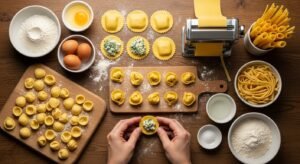
Not all pasta is created equal when it comes to multicooker cooking times. Short, sturdy shapes like rotini, penne, and farfalle are the most forgiving and easiest for beginners. They typically need 3-5 minutes at high pressure depending on thickness.
Long pasta such as spaghetti, linguine, and fettuccine works beautifully but requires breaking in half to fit most multicooker pots, and generally cooks well at 3-4 minutes. Delicate shapes like angel hair or thin egg noodles need only 1-2 minutes and require extra attention to avoid overcooking.
Filled pasta presents its own considerations. Ravioli and tortellini are wonderfully suited to multicooker preparation because the gentle, even heat prevents them from bursting open. Fresh filled pasta needs just 1-2 minutes, while frozen varieties typically require 3-4 minutes.
The key is arranging them in a single layer when possible and using enough liquid to keep them submerged. Whole wheat pasta and gluten-free alternatives may need an extra minute or two, so it’s worth doing a test run with your preferred brand to nail down the perfect timing.
Best Multicooker Settings for Different Pasta Types
Different pasta shapes respond better to different modes.
| Pasta Type | Best Mode | Time Range |
| Spaghetti | Pressure Cook | 4 to 6 minutes |
| Penne | Rice or Pressure | 6 to 8 minutes |
| Macaroni | Steam or Pressure | 5 to 7 minutes |
| Fresh pasta | Sauté or Steam | 2 to 4 minutes |
Common Mistakes to Avoid
The biggest error people make is using too much liquid, which results in soupy pasta rather than a cohesive dish. Remember, you’re not boiling pasta—you’re pressure-cooking it. Another common pitfall is forgetting the quick release.
Natural release will continue cooking your pasta, almost certainly leading to an overcooked, mushy texture. Always, always do a quick release for pasta.
Overcrowding the pot is another issue. Most multicookers can handle up to one pound of pasta, but going beyond that capacity prevents even cooking and may cause sticking. If you’re cooking for a crowd, it’s better to do two batches than to compromise quality.
Making Complete One-Pot Pasta Meals
This is where the multicooker comes into its own. You can make whole pasta dishes without anything, no extra pots and pans! For a classic marinara, you’ll throw in crushed tomatoes, garlic, Italian seasoning—and a little bit of sugar—right along with your pasta and cooking liquid.
If you want something like a creamy, Alfredo-type dish, cook your pasta in broth and then stir in some cream cheese, Parmesan, and butter after releasing the pressure. You can even add protein — chunks of raw chicken, ground beef, or sausage are perfectly fine to cook alongside your pasta here, peepin’ this as a one-pot meal with no other added effort.
Multicooker pasta is also lovely with vegetables. Heartier offerings such as bell peppers, zucchini, and mushrooms can be added at the start of cooking, while more delicate greens such as spinach should be stirred in following a dish’s simmering.
Troubleshooting Your Multicooker Pasta
If your pasta turns out too firm, don’t panic. Simply add a splash of liquid, close the lid, and cook for one more minute at high pressure with another quick release. Conversely, if it’s too soft, there’s no fix, but you’ve learned for next time—reduce your cooking time by a minute.
Sticky pasta usually means insufficient liquid or forgetting to stir immediately after opening. A drizzle of olive oil and vigorous stirring usually resolves minor sticking.
Final Thoughts
Mastering how to cook pasta in multicooker transforms your weeknight dinner routine from stressful to seamless. With the right liquid ratios, proper timing calculations, and a quick pressure release, you’ll consistently achieve perfectly cooked pasta with minimal effort and cleanup.
The versatility of creating complete one-pot meals—from simple buttered noodles to elaborate pasta primavera makes your multicooker an indispensable kitchen tool. Start with basic shapes and simple recipes, then experiment with your favorite sauces and ingredients as you gain confidence.
Your pasta nights will never be the same, and you might just find yourself wondering why you ever cooked pasta any other way. Ready to give it a try? Grab your multicooker tonight and experience the convenience firsthand your perfectly cooked pasta awaits!
